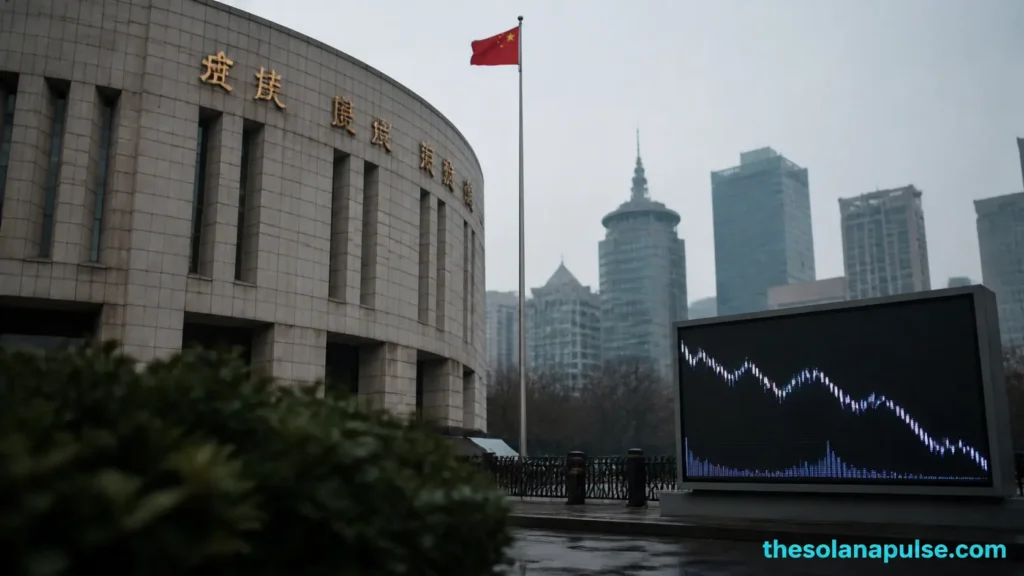

The future of Solana (SOL) has captivated investors and analysts alike as it currently trades at $84, a notable decline of 72% since its all-time high of $295. Given the cryptocurrency’s recent volatility, the question looms—what will Solana be worth in the next few years? With both bullish and bearish forecasts dominating discourse, understanding the fundamentals behind these predictions is crucial for current and potential investors.
The Move
As of May 2023, SOL is grappling with a challenging market environment, down over 51% year-to-date. Analysts are dissecting both macroeconomic factors and Solana’s technological advancements to generate their predictions for the asset’s price trajectory over the next several years. Notably, Standard Chartered has been optimistic, suggesting a price target of $1,200 by 2029, driven primarily by the growing feasibility of micropayment solutions built on Solana’s blockchain. VanEck is slightly more conservative, presenting a longer-range target of $335 by 2030. These predictions hinge on several critical developments within the Solana ecosystem.
An essential factor in Standard Chartered’s bullish outlook is the anticipated launch of the Alpenglow upgrade, which aims to enhance transaction finality to under 150 milliseconds. Such rapid transaction times are essential for establishing viable micropayment infrastructures, allowing for transactions that are too small to process efficiently on other blockchains.
What’s Driving It
While the positive sentiment around Solana is palpable, caution is warranted. The broader macroeconomic landscape poses ongoing risk factors, notably inflation, interest rate hikes, and regulatory scrutiny, all of which could impede price growth. The current fear among investors is that the speculative boom surrounding cryptocurrencies may not translate into sustained adoption, particularly as the memecoin trend draws to a close. Nevertheless, the expected technical developments in Solana could alleviate some of these concerns. If the anticipated applications for micropayments gain real traction, SOL’s price may benefit significantly, marking a shift from speculative trading to intrinsic value identification.
Furthermore, as institutional interest in cryptocurrency continues to grow, Solana is well-positioned to capitalize on this wave of new investor activity. The influx of institutional capital, alongside developments in decentralized finance (DeFi) and tokenization, could provide a solid foundation for Solana’s future price stability and growth. As seen in recent months, this transition from retail-driven momentum to a more sustainable, institutional-backed market could potentially lead to higher price ceilings in the coming years.
Looking Ahead
In attempting to navigate the forecast landscape of Solana, three main factors will steer the potential outcomes: the rollout of the Alpenglow upgrade, the scalability of micropayment adoption, and the broader macroeconomic context. A successful software upgrade could catalyze user adoption, particularly if consumer-friendly applications arise, facilitating everyday micropayment usage.
If these developments align positively, the potential upside remains compelling, inviting both retail and institutional investors to reassess their positions on SOL. Conversely, failure to meet upgrade timelines or significant adverse market conditions could result in weaker performance and price stagnation. Thus, astute investors will need to analyze Solana not only on its current price but also on the enduring developments shaping its ecosystem.
The forecast for Solana underscores the tension between technological promise and market realities.
Editor’s Insight
TheSolanaPulse considers the evolving landscape for Solana as pivotal for understanding its future price dynamics. The impending Alpenglow upgrade and the potential adoption of micropayments could position Solana as a leader in digital currency use cases, though broader market environments remain a crucial element to monitor.
As we move forward, investors should be vigilant regarding both technological advancements and macroeconomic indicators that could affect Solana’s price performance, evaluating whether they signal sustainable growth or mere speculation.